







Last updated: November 14, 2026
Key Takeaways
- Timber resistance testing converts electrical resistance into a wood moisture equivalent reading.
- The standard most often cited is BS 8103-3, which treats the result as a resistance-based check on timber condition.
- Deep probe testing should reach the rafter core, not just the outer timber face, or the reading can miss hidden damp.
- Wood moisture equivalent is the translated meter reading used for comparison across inspections and reports.
This guide on sprayfoamsremovals.com timber probe moisture testing and electrical resistance standards explains whether spray-foam-covered rafters are dry enough to sign off. The answer is the wood moisture equivalent reading, taken with a calibrated resistance meter and a deep insulated probe, not a surface skim reading. The sections below explain what that means, how deep to probe, and where BS 8103-3 fits.
What timber electrical resistance moisture testing actually measures
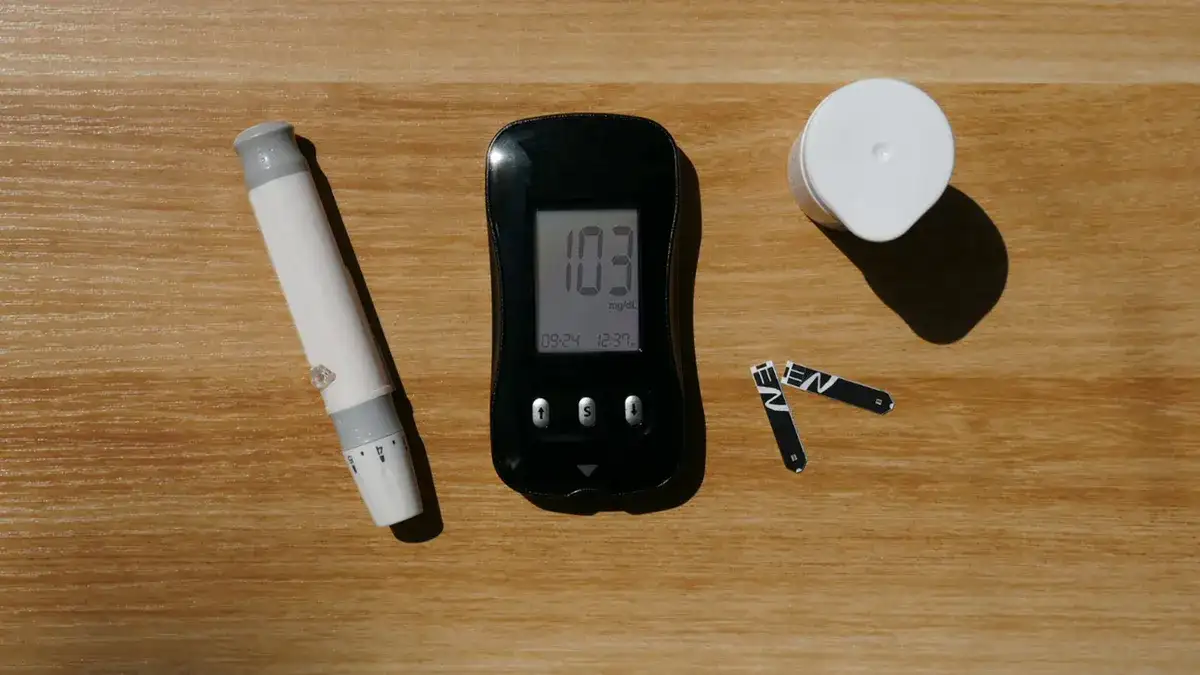
Timber electrical resistance moisture testing measures how much electrical resistance the wood gives back, then converts that into a wood moisture equivalent reading. That matters because foam can hide wet rafters while the surface looks dry, which is why a calibrated resistance meter reading is the one that carries weight in formal sign-off. For general meter principles, the meter maker’s guidance and wood-moisture references from the Forest Products Laboratory are useful starting points.
Picture this: you’re on a loft inspection, and the foam face looks clean, dry, and neat. The reading that counts is not the gloss on the foam; it is the moisture in the timber under it, taken from the rafter body.
The method is simple in concept and fussy in execution. A meter like the Protimeter Surveymaster gives you a reading that can be used on timber, but only if the pins or probe are set up for the job, the timber species and temperature are handled sensibly, and the probe reaches the wood that matters. Shallow contact on a foam-covered surface tells you very little about the core; consult a qualified surveyor or moisture-testing professional if the setup is uncertain, as noted in manufacturer guidance and surveying practice.
For formal survey work, the point is not to prove the timber is dry in a casual sense. The point is to distinguish surface drying from internal core damp. That is the whole game.
- Surface readings can sit low while the rafter core stays wet.
- Foamed rafters often dry unevenly.
- Resistance readings rise or fall with timber condition, so setup matters.
A common mistake is treating the meter as a yes/no machine; in practice, it is better to have the reading interpreted by a qualified professional against the inspection context, the depth of the probe, and the standard you are working to.
The main practical takeaway is not the absolute number. It is the combination of meter type, probe depth, and wood moisture equivalent. Get those three right and the inspection means something. Get them wrong and the number is just noise.
Which standards govern probe readings on foam-covered timber?
The main standard you are likely to see referenced is BS 8103-3, with the reading judged as a resistance-based check on timber condition rather than a generic “moisture test.” That standard language matters because it frames the result as part of a structural or inspection sign-off, not a casual damp check.
Picture this: you’re trying to tell a lender, surveyor, or client whether a roof member is fit for the next stage. The standard gives the inspection a common language, and that language is built around a calibrated resistance meter, probe placement, and a defensible reading method. The British Standards Institution listing for BS 8103-3 is the place to check the title and scope, while the meter manufacturer’s instructions show how the tool is meant to be used.
If you are reading a report, look for these terms:
- Wood moisture equivalent
- Calibrated resistance meter
- Deep insulated probe testing
- Rafter core moisture gradient
Those phrases are not decoration. They show the surveyor is trying to measure the timber itself, not the foam skin or a wet patch on the underside. A good report will also say how the probe was used and whether the reading was taken at shallow depth, deeper into the rafter, or at more than one point along the member.
Here’s the catch: no standard turns a bad access setup into a good test. If the probe cannot reach the core zone of the rafter, the reading can still look tidy while the center stays damp. That is why deep access and repeat readings matter in foam-insulated roofs.
A reader often asks whether the standard gives one magic pass mark. It doesn’t, at least not in the simple way people hope. In practice, the inspection hinges on whether the timber is being shown as dry enough for the intended sign-off and whether the reading is credible for the construction in front of you.
For the standards side, the right references are the British Standards Institution page for BS 8103-3 and the manufacturer literature for the meter and probe system used, including Protimeter documentation where that is the instrument in use. Those are the documents that tell you how the numbers are supposed to be taken, not guessed.
How deep probe testing should be done on rafter cores
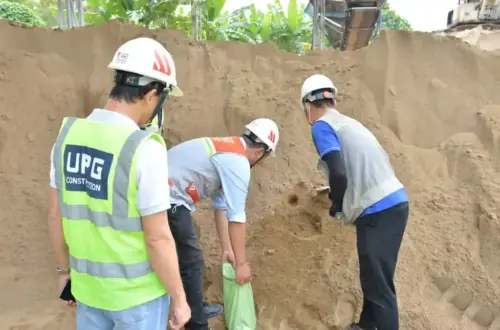
Deep probe testing should reach the rafter core, not just the outer timber face, or the reading can miss hidden damp. That is the purpose of deep insulated probe testing: to isolate the reading from the surface layer and get something closer to the timber’s internal condition.
Picture this: you’re standing in a loft where spray foam sits against the rafters. The outer timber may already have dried from room heat or ventilation, while the core still holds moisture from past ingress. A probe that stops short gives you the wrong story.
A practical inspection sequence looks like this:
- Identify the timber member you are checking and choose a point that represents the rafter, not a random edge or knot.
- Set the meter and probe for timber resistance work, using the correct pins or insulated hammer electrode probe for the depth needed.
- Insert or drive the probe so the insulated portion excludes the surface layer and the active tip reaches the core zone.
- Take the reading and repeat it at nearby points along the same rafter to see whether the moisture is even or scattered.
- Compare the results with the expected wood moisture equivalent for the job and note any gradient between surface and core.
A proper hammer electrode probe is useful when the timber is deeper, when access is awkward, or when the surface layer is not trustworthy. The insulated section stops the surface from dominating the result, which is the whole point of the tool. For tools and setup details, manufacturer guidance from Protimeter or an equivalent maker is the most direct reference.
- Short probes suit shallow timber checks.
- Hammer electrodes suit deeper members.
- Insulated probes help isolate core readings.
The drawback is plain: deep probing is slower and more invasive than a quick surface scan. It can also be harder to place accurately when the roof geometry is cramped. That is the trade-off for a reading that can actually stand up in a report.
What wood moisture equivalent means in a sign-off report
Wood moisture equivalent means the meter’s resistance reading has been translated into a timber moisture value that can be compared across inspections and reports. It is not the same thing as a casual “feels dry” judgment, and it is not a foam reading either.
Picture this: you’re comparing several rafters in the same roof. One has a lower surface value, one has a higher core value, and one shows a marked moisture gradient from edge to center. That spread tells a more useful story than any single number on its own.
The important thing is how the number is used. In formal reporting, the surveyor is trying to show whether the timber has reached an acceptable condition for the purpose of the inspection. That is why the wording often focuses on the wood moisture equivalent percentage and the presence or absence of a core/surface difference.
A reader can go wrong by chasing a single “pass” number without thinking about the member and the probe depth. A rafter with a calm surface but a wet core needs a different note from a rafter that is evenly dry throughout. The first may still be a problem; the second may simply need documentation.
- Even readings suggest the timber has dried through.
- Higher core readings suggest trapped moisture or delayed drying.
- Mixed readings need context, not guesswork.
There is no honest way to turn every roof into one number. Roof timber, foam thickness, and access all change how the reading should be read. That is why a careful report names the meter, the probe method, the depth, and the inspection standard instead of hiding behind a single bare percentage.
Why surface moisture meters fail on foam-covered wood
Surface moisture meters fail on foam-covered wood because they mainly see the outer layer, and foam can make that outer layer look drier than the timber core beneath it. The result is a false sense of safety, especially when the roof has been altered and the timber has dried unevenly.
Picture this: you clip a meter to the underside, get a neat figure, and think the rafter is fine. The rafter core moisture gradient may still be telling the opposite story, with trapped damp sitting deeper in the member where the meter never reached.
This is the core limitation:
- Foam changes access.
- Access changes probe depth.
- Probe depth changes the meaning of the reading.
A shallow scan can be useful as a first pass, but it should not carry the final word on a foam-covered roof. If the surface is dry and the timber core is not, the surface scan only confirms that the outside has dried. That is not enough for sign-off.
The other trap is repeating a reading in the same wrong place. If the probe is always too shallow, every number will look consistent and still be wrong. The fix is not more confidence; it is better placement and a deeper reading method.
That is why surveyors who deal with sprayed roofs keep coming back to deep insulated probe testing and the calibrated resistance meter reading. Those are the tools that reduce the chance of fooling yourself with a dry skin over a damp core.
Common mistakes that weaken the reading
The most common mistakes are shallow probe placement, poor calibration, and reading the foam instead of the timber. Each one can turn a useful inspection into a misleading one, and each one is avoidable.
Picture this: you are under time pressure and the rafter field looks uniform. It is easy to take one reading, write it down, and move on. That is how a bad note slips into a report and stays there.
These are the errors that matter most:
- Shallow insertion gives a surface number, not a core number.
- Wrong tool choice makes the reading harder to trust.
- No comparison points means you cannot see a moisture gradient.
- Ignoring calibration weakens the value of the meter entirely.
Calibration is not a box-ticking exercise. If the meter has not been checked or the setup is wrong for timber work, the reading can drift far enough to mislead the report. That is especially important with a Protimeter Surveymaster or similar resistance meter, where the user still has to set up the reading method correctly.
A second mistake is treating every timber the same; in practice, a qualified professional should consider section size, exposure, and history before relying on one number. Not every rafter is identical in section, exposure, or history. A member near a past leak can read differently from one in a drier bay, even when both sit under the same foam layer.
The practical correction is to take more than one reading, at more than one depth, on more than one rafter. That gives you a pattern instead of a guess. It also helps show whether the issue is local or spread across the roof.
For a wider inspection framework, this sits alongside the chartered surveyor inspection protocols on the site’s hub page, which is the right place for the broader survey workflow.
How to read a result in practice
A result should be read as a comparison between surface dryness, core moisture, and the standard expected for the job, not as a lone number on a page. That is the practical way to use timber electrical resistance moisture testing without overreading the meter.
Picture this: you have a set of readings from several rafters. One is low at the surface and higher at depth, one is steady across the section, and one spikes in one bay only. That pattern tells you more than the exact value does.
Use this simple reading logic:
- Steady, even readings suggest the rafter has dried more fully.
- A higher core reading points to moisture trapped below the surface.
- A marked difference between rafters suggests the issue is localized, not universal.
- Unexpectedly low readings on foam-covered timber should be treated with caution, not celebration.
This is where BS 8103-3 matters again. The standard language keeps the survey focused on timber condition and sign-off quality, not on wishful thinking. If the reading was taken with a hammer electrode probe and the note explains the depth, the report is stronger than a simple surface test with no method attached.
The honest limit is that the meter does not tell you everything. It does not replace visual inspection, and it does not by itself explain why timber got wet. It tells you what the wood is doing now, and that is the useful part for sign-off.
FAQ
What moisture level in rafters fails a survey?
A rafter fails when the moisture condition is not acceptable for the intended sign-off, and that depends on the inspection standard and the reading method. The key issue is not just the number on the meter but whether the timber shows a wet core, a poor moisture gradient, or a reading that cannot be trusted because the probe was too shallow.
Why do surface moisture meters fail on foam covered wood?
Surface moisture meters fail because they mainly read the outer layer, and spray foam can leave that layer looking drier than the rafter core. That means the meter can miss internal damp, which is why resistance-based timber testing with a deeper probe is used for formal inspection work.
How deep must moisture probes penetrate rafter cores?
Moisture probes must reach the timber core zone, not just the surface face. In practice, that means using a deep insulated probe or hammer electrode setup deep enough to separate the surface layer from the internal reading, so the result reflects the rafter itself rather than the foam-skinned outer timber.
Drafted with AI; not yet reviewed by a person.



One comment on “Timber Probe Moisture Testing Standards for Spray Foam”