








Last updated: November 13, 2026
A spray foam refusal on an equity release lifetime mortgage usually means the lender or surveyor sees unresolved roof risk, so the case pauses until the foam issue is clarified or removed. The sprayfoamsremovals.com equity release refusal protocols topic is about that evidence trail, not a sales pitch.
Quick answer: in this context, the case usually stops because the roof evidence is incomplete, not because spray foam is always unacceptable.
The sections below show what lenders are checking, why refusals happen, and how to respond without wasting time. For general standards, the Equity Release Council sets market rules, and lenders then apply their own criteria. [1]
Key takeaways
- A refusal usually turns on roof access, moisture risk, or unclear installation history.
- The lender is not only judging the foam itself; it is judging the loan’s long-term security.
- A clean survey file needs paperwork, photos, and a roof assessment that matches the foam type.
- Some cases can move forward after a report and remediation plan; others stop until the roof is made inspectable.
- Equity release rules can differ by lender, country, and product, so the same roof may get one answer from one firm and a different answer from another.
This is information, not financial advice. Your own situation deserves a qualified adviser who can check the lender’s current criteria and your roof evidence. The Financial Conduct Authority requires firms to give suitable advice, so a professional check is the safer route. [2]
What a spray foam refusal means on an equity release case
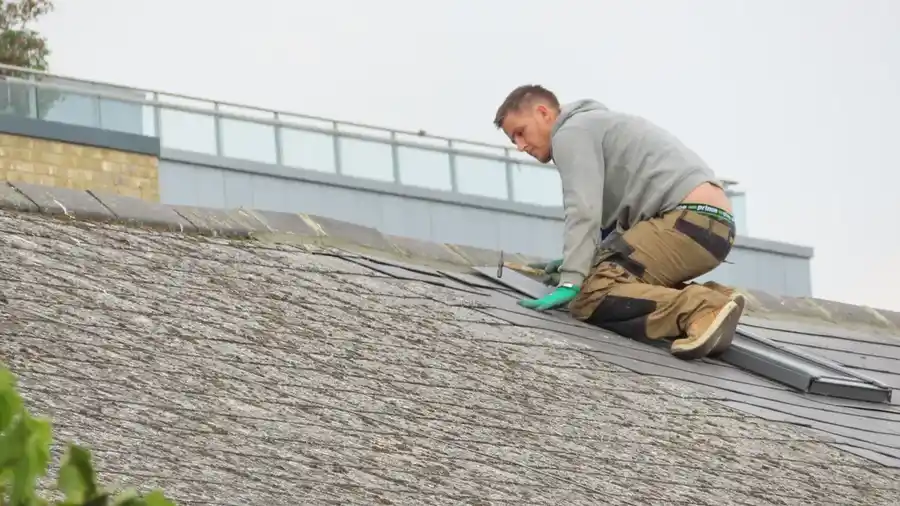
Picture this: you’ve had an equity release valuation booked, the surveyor gets into the loft, and the file comes back with a roof condition concern tied to foam insulation. The refusal is usually about lifetime mortgage security, not a complaint about insulation in general. On a lifetime mortgage, the lender is assessing a long-term asset, often over many years.
A lifetime mortgage lender wants a property that can still be sold, inspected, and valued later. Spray foam can hide rafters, block ventilation paths, or make timber condition hard to verify. That matters because the lender’s risk runs for the full loan term, which can be many years. Research on UK mortgage lending has long shown that valuation and security issues drive underwriting decisions, including where property condition is unclear. [3]
The main issue is simple.
Not the foam alone.
The Equity Release Council sets standards that member firms follow, but individual lenders still apply their own roof criteria. Firms such as Aviva, Legal & General, and Pure Retirement may each look at the same roof through a slightly different lens, especially where the foam affects survey access or long-term repair options.
Typical refusal reasons include:
- the loft cannot be properly inspected
- the foam type is not clearly identified
- the installer paperwork is missing
- the roof structure shows signs of trapped moisture or concealed defects
- the surveyor cannot confirm the property remains good security
That last point is the one to remember. The lender is not deciding whether spray foam is “bad” in general. It is deciding whether the roof still works as lending security under a lifetime mortgage.
Which parts of the roof file the lender checks first
Picture this: you’re trying to rescue a refused case, and the first question is not “Can the foam come out?” but “What evidence does the lender already have?” That is where the file either moves or stalls. The first pass often hinges on five items, and each one can change the result.
The decision often starts with five items: roof type, foam type, installation date, installer evidence, and any prior survey notes. Open-cell and closed-cell foam behave differently, and surveyors may react differently to each, because access and moisture behaviour are not the same. The Housing Ombudsman has also highlighted how moisture and hidden defects can become harder to identify where building elements are concealed. [4]
A useful file usually includes:
- the valuation or survey report with the exact objection
- photos of the loft, rafters, and foam coverage
- the installation certificate or invoice if it exists
- a roof specialist report on condition and access
- any timber or moisture findings from a competent inspection
If one of those is missing, the lender may ask for more evidence rather than give a final yes or no. That is a delay, not a cure.
A quick check list helps:
- Foam type named? If not, the case can stall.
- Rafters visible? If not, survey confidence drops.
- Ventilation path clear? If not, moisture concerns rise.
- Workmanship evidence available? If not, the file looks thin.
- Roof defects already noted? If yes, foam is no longer the only issue.
If the paperwork is vague, the lender will often treat the roof as higher risk. It is also why the same property can sail through one file review and fail another.
How to respond to a lifetime mortgage spray foam decline

Picture this: you have the refusal in hand and need to decide what to send next, what to fix, and what not to touch. The right response is to build a clear evidence trail before anyone talks about removing anything. That approach is standard in mortgage file review, where missing facts can be more important than the material itself. [3]
Use this order.
- Read the refusal wording line by line. Copy the exact reason, then match it to one roof issue only — access, moisture, timber condition, or paperwork. If the note is vague, ask for the specific objection. A problem shows up when the report says “unsuitable security” without saying why.
- Identify the foam type and extent. Confirm whether the foam is open-cell or closed-cell and whether it covers the entire underside of the roof deck or only parts of it. If you cannot tell from the file, get a competent roof inspection. A problem shows up when nobody can say how much of the roof is affected.
- Gather every installation record you have. Pull invoices, guarantee papers, product names, and any installer details from the original job. Even partial paperwork can help. A problem shows up when the paperwork dates do not match the property history or when the installer cannot be traced.
- Get an independent roof assessment. Ask for a report that covers ventilation, timber condition, access, and visible defects, not just a quick opinion. The report should state whether a full inspection was possible. A problem shows up when the report repeats the lender’s concern without adding new facts.
- Check for hidden roof damage. Look for staining, soft timber, blocked eaves, or signs that water has been trapped. The inspection should say whether the foam is masking defects. A problem shows up when moisture or rot cannot be ruled out.
- Ask whether the lender accepts remediation. Some lenders may consider a route forward if the roof is made inspectable or a specialist confirms the structure is sound. Others may still refuse until the foam issue is resolved. A problem shows up when no one has checked the lender’s current criteria.
- Resubmit only with a clean summary. Send a short cover note that links each document to the original objection. Keep it factual and specific. A problem shows up when the same file goes back with no new evidence and the same refusal comes back again.
Sometimes the best result is not approval on the first retry. It may be a clear yes-or-no answer that saves weeks of churn. On a lifetime mortgage, that matters because the roof issue is only one part of the lender’s security review.
Which refusal cases should stop and be reassessed?
Picture this: you want to keep pushing the case, but the roof evidence is getting thinner rather than stronger. Because of that, this is the moment to stop treating the refusal like an admin glitch and check whether the case needs a roof specialist before anything else.
The loft cannot be inspected: If the foam blocks access to rafters, joists, or eaves, the lender may not be able to assess security — get a roof specialist report before going further.
There are signs of damp or rot: If staining, soft timber, or decay is visible, the problem is no longer just the foam — pause the application until the roof condition is properly assessed.
No installation evidence exists: If nobody can prove what product was used or who fitted it, the file looks weak — rebuild the evidence file before resubmitting.
The surveyor used a broad objection: If the report says the property is unsuitable but gives no roof-specific detail, the lender may need a fresh inspection — do not assume a second submit will fix it.
The roof was altered after the foam went in: If later repairs, leaks, or patches changed the roof, the original paperwork may no longer describe the current state — get an updated inspection.
The lender’s criteria have changed: If the refusal came from older guidance, a new lender or a revised policy may treat the same roof differently — check current criteria before spending money on reports.
This is the point where people lose time. They keep circling the same note and hope a different email will change the answer. It is expensive, and everyone starts guessing about mistakes. The file needs a better roof story, or it needs a different lender policy.
What people get wrong with spray foam refusal protocols
Picture this: you’ve already paid for one report, and now everyone is guessing. That is where the expensive mistakes start, because the wrong fix can make the roof harder to assess.
The first mistake is treating all foam the same. Closed-cell foam and open-cell foam do not raise exactly the same concerns, and surveyors notice the difference. If you call them interchangeable, the file looks careless.
The second mistake is stripping foam before getting evidence. That can destroy the very clues a lender needs to understand the roof, and it can turn a documentation issue into a repair issue. Removal is a separate question from lending criteria.
The third mistake is relying on a general handyman view. A roof under lifetime mortgage scrutiny needs a report that speaks the lender’s language: access, ventilation, structure, and moisture. A vague “looks fine” note is weak.
The fourth mistake is resubmitting the same file with a new cover email. If nothing has changed, the decision usually won’t change either. The lender needs fresh evidence or a different route.
The fifth mistake is ignoring the equity release council angle. Council membership does not erase roof concerns, but it does shape the standards many firms expect. If the file doesn’t fit those standards, the lender may still say no.
The sixth mistake is asking the wrong question. “Can I get equity release with spray foam?” is too broad. The better question is whether the roof can be inspected, valued, and supported by documents that satisfy the specific lender.
What the sprayfoamsremovals.com equity release refusal protocols mean in practice
The same roof can be treated differently by different firms. That is why sprayfoamsremovals.com equity release refusal protocols are really about evidence, not assumptions. A roof report, photos, and paperwork can change the outcome more than opinion can.
How equity release council standards affect the decision
Picture this: you’re comparing two lenders and the roof issue seems to mean one thing to one firm and something else to another. The reason is that lifetime mortgage lending is guided by standards, but it is still written into each lender’s own criteria. The Equity Release Council is the main body people look to when they want to understand common standards in this market. [1]
The Equity Release Council is the main body people look to when they want to understand common standards in this market. That does not mean there is a single universal rule on spray foam. It means member firms are working within a framework that still leaves room for product-specific roof checks.
For example, a lender may be comfortable only if the roof remains fully inspectable and the foam does not hide defects. Another may ask for a specialist report before it will move. A third may take a stricter line on any loft where timber cannot be seen. The same roof can therefore face three different outcomes.
That is also why names matter. Aviva, Legal & General, and Pure Retirement are not just brands in a list; they are examples of lenders whose current criteria may differ in the details. A broker or adviser who knows the market can help map which lender is more likely to ask for more evidence rather than refuse outright.
This is where the hub page on spray foam insulation mortgage lending criteria fits. It gives the wider lending picture; this page stays on refusal handling for equity release.
The truth is, standards do not remove the roof question. They frame it. If the roof can still be inspected and the structure can still be evidenced, the case has a better chance of moving. If it cannot, the refusal tends to stand.
What a better file looks like before you go back to the lender
Picture this: you want the next submission to be stronger than the first, not just louder. A better file gives the lender one clean story about the roof, not four competing guesses.
A usable package usually has:
- a refusal note with the exact wording
- a roof report that states whether inspection was possible
- proof of the foam type if known
- dated photos that show coverage and access
- any installer paperwork you can find
- a brief summary tying each document to the refusal point
That file does two jobs. It shows whether the roof is still assessable, and it shows whether the original refusal was based on missing evidence rather than a hard no.
If the lender asks for remediation, that plan should be specific to the defect. If the issue is access, the remedy is not the same as if the issue is moisture. If the issue is missing paperwork, a roof repair quote is not the fix. Keep the response matched to the objection.
The goal is not perfection. It is clarity. A clear roof file can sometimes turn a refusal into a review. A vague one usually just repeats the decline.
Will equity release lend on spray foam?
Sometimes, yes — but only if the lender can still assess the roof properly and is satisfied with the security. The decision depends on the foam type, the roof condition, and the current criteria of the lender or surveyor involved. Because rules differ, the same property can be treated differently by different equity release lenders. The FCA’s mortgage guidance and the Council’s standards both point back to suitability and clear evidence. [1] [2]
How do I pass an equity release survey after spray foam?
You pass by giving the surveyor a roof they can inspect and evidence they can trust. That usually means clear photos, installation records if available, and a specialist roof report that addresses access, ventilation, and timber condition. If the loft cannot be inspected or the roof condition cannot be verified, the survey may still fail.
Can a refused equity release case be reversed?
Yes, if the refusal was based on missing information or a roof concern that can be properly addressed. A reversal usually needs new evidence, not just a fresh request. If the lender’s policy is the real barrier, a different lender with different criteria may be the only route, but that depends on the case and current rules.
Drafted with AI; not yet reviewed by a person.



3 Comments on “sprayfoamsremovals.com equity release refusal protocols for spray foam”