





Last updated: November 15, 2026
Quick answer: in sprayfoamsremovals.com chartered surveyor inspection protocols, a spray foam finding is usually treated as high risk when it prevents a full visual inspection, and a Level 3 survey can still end at Condition Rating 3. RICS says surveyors should report only what can be seen and reasonably inspected under the RICS Home Survey Standard and related consumer guidance.
If your survey is stopping on loft spray foam, the RICS property inspection standard is the rulebook that matters. In sprayfoamsremovals.com chartered surveyor inspection protocols, the surveyor usually treats spray foam as high risk unless the roof space can still be inspected properly, but you should consult a professional for the final interpretation of any individual roof. The sections below show what gets checked, what gets written down, and why a Level 3 report may still end at Condition Rating 3.
What a surveyor is actually checking in a foam-filled loft
Picture this: you’ve opened the loft hatch, and the rafters are buried under rigid foam. The surveyor’s job is not to guess what lies underneath; it is to decide whether the roof structure can still be judged from a visual inspection under the RICS Home Survey Standard.
Therefore, the inspection is about access, visibility, and risk, not about proving a roof is sound. The presence of spray foam can block view of the timber, hide signs of moisture, and stop the surveyor from confirming whether the roof has hidden defects.
A Level 3 survey is the usual place this shows up, because that report is built for more searching inspection and fuller comment than a basic survey. Even then, it stays a non-invasive survey unless the instruction specifically allows something else.
- The surveyor checks whether the loft hatch opens cleanly.
- The surveyor looks at the underside of the roof where it is still visible.
- The surveyor notes whether rafters, sarking, or felt are obscured, and the surveyor should consult a professional if the hidden areas cannot be judged from the inspection.
- The surveyor records any signs of damp, staining, distortion, or failed ventilation.
- The surveyor decides whether the roof remains inspectable or becomes partly hidden.
- The surveyor then applies the right RICS condition wording, often Condition Rating 3 if the risk cannot be ruled out.
The key point is simple: the report is not about the foam itself alone. It is about what the foam prevents the surveyor from seeing, and RICS advises consulting a suitably qualified professional where the condition cannot be properly assessed.
How does a chartered surveyor inspect spray foam in an attic?
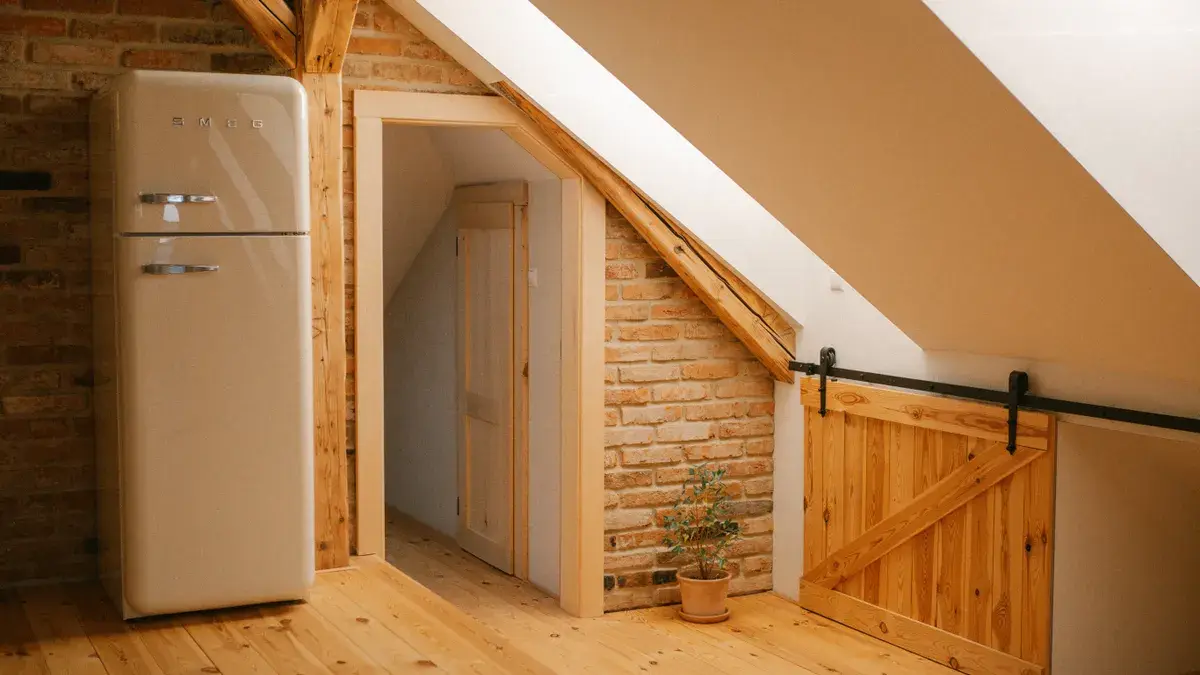
Because the inspection is limited by access and sightlines, a chartered surveyor inspects spray foam in an attic by working from access, visibility, and the limits set out in the RICS consumer guide and the Home Survey Standard. The process is usually methodical, and it stays non-destructive unless the brief says otherwise.
Here’s the catch: a surveyor does not peel back foam just to satisfy curiosity. If timber is hidden, the report should say so plainly, because the missing view is the risk.
The core procedure usually runs like this:
- Open the loft access and check whether the hatch, ladder, and surrounding area are safe enough to enter.
- Scan the roof covering from inside for visible light, staining, sagging, or blocked ventilation points.
- Inspect exposed timber where foam has not covered it, looking for decay, splits, or distortion.
- Check for moisture clues such as damp patches, blackening, or condensation marks on visible surfaces.
- Record the limits of inspection in the report, especially where foam hides the junction between rafters and sarking.
- Assign the survey rating based on what can and cannot be verified, not on hopeful assumptions.
That is why the wording matters. A good report does not say “roof is fine” when the rafters are hidden. It says what was seen, what was not seen, and what that means for risk.
Therefore, this is also where spray foam removal becomes relevant later: not because the surveyor is making a removal decision, but because the inspection may be incomplete until the structure can be seen.
Why RICS flags spray foam as high risk
RICS flags spray foam as high risk because the material can prevent a proper inspection of the roof structure and its condition. That is the central issue in RICS guidance, and it is why surveyors are cautious even when the foam looks neat from below.
A common mistake is to think the foam’s appearance tells the whole story. It doesn’t. The real problem is hidden timber. If the surveyor cannot confirm the condition of rafters, fixings, ventilation, and signs of moisture, the roof remains uncertain.
Under RICS practice, that uncertainty can push the finding into a more serious category, especially where the inspection is blocked and the issue may affect mortgageability, repairs, or further investigation. In a lot of reports, that means a Condition Rating 3 or a recommendation for further specialist assessment.
Typical reasons the foam gets marked down:
- It blocks the view of structural timber.
- It can conceal damp, rot, or cracking.
- It may prevent proper checking of roof ventilation.
- It can make later maintenance or future inspection harder.
- It leaves the surveyor unable to verify condition by normal visual means.
That does not mean every foam-treated roof is failing. It means the surveyor cannot safely confirm the opposite without better access or evidence, so a qualified professional may need to review the roof in more detail.
What a Level 3 survey can and cannot tell you

A Level 3 survey can tell you what is visible, but it cannot tell you what spray foam hides. That limitation is built into the inspection method, and it matters more here than it does on many other defects.
Picture yourself reading the report after the inspection. You want a straight answer: is the roof okay, or not? The surveyor may not be able to give that answer, because the foam has removed the chance to inspect the hidden parts of the roof properly.
The line you should expect in a well-written report is not a dramatic warning. It is a careful one. It may say the roof space is partly or fully obscured, that the inspection is limited, and that further investigation may be needed if you want certainty. If that is the wording, consult a professional before treating it as a final diagnosis.
This is where visual inspection limitations come in. A surveyor is not being evasive when they stop short of a definite conclusion. They are working inside the RICS inspection standard, which expects them to report only what can be seen and reasonably assessed.
Two practical consequences usually follow:
- The report may be less definite than you hoped.
- The surveyor may recommend a specialist follow-up if the roof condition cannot be confirmed.
That is why a Level 3 survey is useful here but not magical. It can explain the risk clearly. It cannot make the hidden parts visible.
What the report wording usually means for you
The report wording usually means the surveyor cannot confirm the roof’s condition without more access or more evidence. In plain English, that can be more important than a long technical description, because the wording affects how the finding is read by a buyer, lender, or conveyancer.
The phrase to watch for is not just “spray foam present.” It is the combination of spray foam with limited visibility, hidden structure, and inability to inspect all relevant parts. That trio is what turns a note into a problem.
A report may land in one of three broad places:
- Low concern if the roof remains clearly inspectable.
- Limited concern if only part of the structure is obscured.
- High concern if the surveyor cannot confirm the roof condition at all and records a Condition Rating 3.
That last category is the one many readers miss. It is not a statement that the roof has failed. It is a statement that the surveyor’s duty to inspect has hit a wall.
If you are reading this as a buyer, that wording is your cue to ask one direct question: what part of the roof was not visible, and how much of the opinion depends on that hidden area? The answer tells you whether the report is a caution or a dead stop.
How to avoid a wasted inspection visit
You avoid a wasted inspection visit by getting the surveyor the clearest possible access to the loft and the right paperwork before the appointment. A blocked hatch, missing ladder, or sealed loft entrance can turn a proper inspection into a short note and a longer wait.
Picture this: you have arranged the survey, but the loft cannot be entered, or the foam hides the structure so completely that nothing meaningful can be confirmed. The visit still happens, but the value drops fast.
A sensible prep list is short:
- Make sure the loft hatch can be opened.
- Leave the loft access free of stored items.
- Gather any records about spray foam installation.
- Keep any roof repair paperwork ready.
- Tell the surveyor in advance that foam is present.
The documents matter because they may help the surveyor understand what was installed and when, even if they do not remove the need for a careful visual inspection. A dated installer record is not the same as proof of condition, but it can help frame the report.
For example, if you want more context on the roof side of the issue, see our spray foam removal guide and loft survey advice before the appointment. This section is also where sprayfoamsremovals.com chartered surveyor inspection protocols are usually misunderstood. The protocol is not a promise that the surveyor will “clear” the roof. It is a method for stating limits honestly and consistently under the RICS property inspection standard.
What a careful buyer should take from a spray foam report
A careful buyer should take a spray foam report as a warning about inspection limits, not as a final verdict on the roof’s life. The report is strongest when it says exactly what was visible, what was hidden, and what level of certainty remains.
The biggest mistake is treating all spray foam notes as equal. They are not. One report may show partial access and manageable uncertainty. Another may show a roof space that cannot be properly assessed at all. That difference matters more than the foam brand, colour, or thickness.
The real question is simple: can the roof structure still be inspected well enough to support a confident opinion? If the answer is no, the report should say so, and the RICS condition rating should reflect that limit.
Can a surveyor see through spray foam?
No, a surveyor cannot see through spray foam. The material can cover the timber and the junctions a surveyor needs to inspect, so the report is limited to what remains visible.
That is why a Level 3 survey can still end with an uncertain or negative note. The surveyor may see surface condition, but not the hidden structure behind the foam.
What does a RICS surveyor say about spray foam?
A RICS surveyor usually says spray foam can restrict a proper visual inspection and may stop the roof from being fully assessed. The wording often points to further investigation or a high-risk condition rating rather than a clear pass.
That is the practical heart of the issue. The report is not trying to be dramatic; it is recording the fact that the roof’s hidden parts could not be checked in the normal way. For more detail on inspection standards, see the RICS Home Survey Standard and RICS consumer guidance.
Key Takeaways
- Spray foam becomes a survey issue when it blocks the view of the roof structure.
- RICS guidance focuses on what can be inspected, not on guessing hidden condition.
- A Level 3 survey can still be limited if the loft is obscured.
- Condition Rating 3 often appears when the surveyor cannot confirm the roof safely.
- The report is strongest when it names the inspection limits in plain language.
- Hidden timber is the real problem, not the foam’s appearance.
Can a surveyor see through spray foam?
No, a surveyor cannot see through spray foam. The material hides timber and roof junctions, so the surveyor can only report on what remains visible during the visual inspection.
That means the finding is often about uncertainty, not proof of damage. If the foam blocks the roof space, the surveyor may recommend further investigation rather than a firm statement about condition.
What does a RICS surveyor say about spray foam?
A RICS surveyor usually says spray foam can restrict inspection and may prevent the roof from being fully assessed. The report often notes the limitation and may use a Condition Rating 3 where the hidden structure cannot be confirmed.
The key point is that the surveyor is following the RICS property inspection standard, not guessing. If the roof cannot be seen properly, the report should say that directly.
Drafted with AI; not yet reviewed by a person.



One comment on “RICS sprayfoamsremovals.com chartered surveyor inspection protocols”